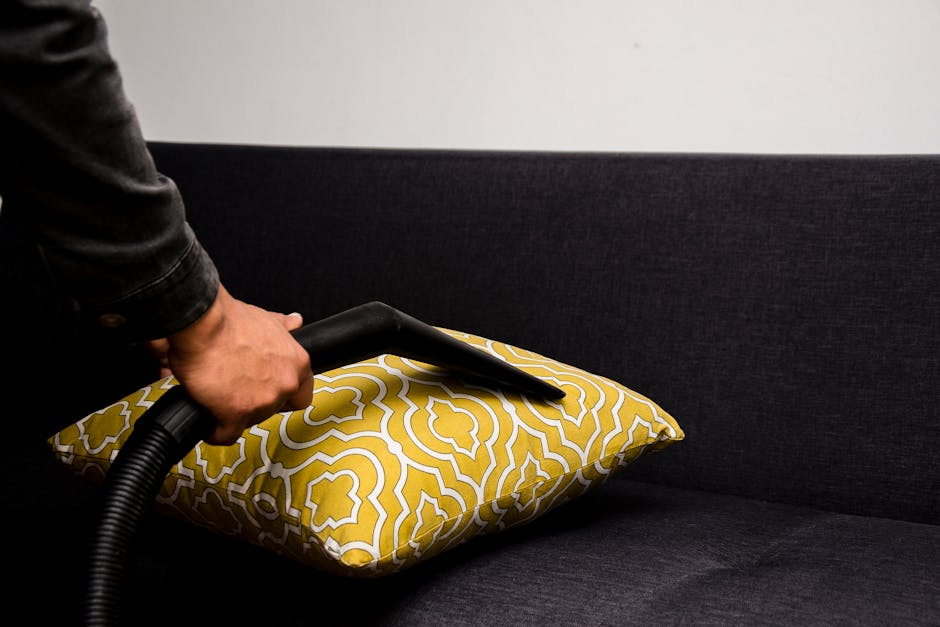
Upholstery cleaning guide for George Street Richmond

If your sofa has lost its colour, your dining chairs look a bit tired, or a favourite armchair has picked up one too many coffee marks, you are in the right place. This Upholstery cleaning guide for George Street Richmond is built to help you understand what actually works, what can damage fabric, and when it makes sense to call in a professional. George Street homes and businesses can see a lot of everyday wear: muddy shoes at the door, pet hair, lunchtime spills, dust from open windows, and the usual mix of London life. The good news? Most upholstery can be refreshed safely with the right approach. Not rushed. Not over-wet. Not scrubbed into submission.
Below, you will find a practical, local-friendly guide covering fabric types, cleaning methods, stain treatment, drying time, common mistakes, and what to expect from a proper upholstery clean. There is a fair bit here, but it is all the useful stuff you actually need.
Why Upholstery cleaning guide for George Street Richmond matters
Upholstery is one of those things people stop noticing until it starts looking dull, smelling stale, or feeling sticky under the hand. Then, suddenly, it is all you can see. On George Street, where a lot of properties balance busy modern living with older interiors, fabric furniture often takes the brunt of daily use. That includes armrests that darken over time, seat cushions that collect body oils, and scatter cushions that seem to magnetise dust.
Good upholstery cleaning matters for three simple reasons. First, it helps furniture last longer. Dirt acts like fine grit, slowly wearing fibres down every time someone sits down. Second, it improves how a room feels. Clean upholstery changes the whole atmosphere of a space; it smells fresher, looks brighter, and frankly feels more cared for. Third, it is about hygiene. Sofas and chairs can hold dust, crumbs, allergens, pet dander, and spills that never quite vanish with a quick vacuum.
There is also a local practical angle. In Richmond, many people live in flats, terraces, or managed properties where furniture has to look presentable for tenants, guests, clients, or family life. If you are preparing for a move-out clean, refreshing a rented flat, or tidying a family home, upholstery is often the detail that makes the biggest visible difference. It is easy to overlook. Until it is not.
Expert summary: upholstery cleaning is not just cosmetic. Done properly, it protects fabric, lifts odours, improves indoor comfort, and helps furniture stay usable for longer.
How Upholstery cleaning guide for George Street Richmond works
Professional upholstery cleaning is usually a combination of inspection, spot treatment, controlled cleaning, and careful drying. That sounds simple, but the method matters a lot. Different fabrics react differently to moisture, heat, and cleaning chemistry. What works beautifully on a synthetic sofa might ruin a silk blend or leave a water ring on a delicate chair.
The first step is identifying the fabric type and condition. A cleaner will usually check the material, the construction, the level of soiling, and any staining or odour issues. If you are doing it yourself, this is the stage where you look for a care label or test a hidden area. Old advice says "just use a bit of detergent"; modern upholstery tends to be less forgiving than that, to be honest.
Most cleaning jobs fall into one of these broad approaches:
- Dry soil removal - vacuuming, brushing, and lifting loose dirt before moisture is introduced.
- Low-moisture cleaning - good for fabrics that should not be saturated.
- Hot water extraction - often called steam cleaning, although it usually uses hot water and suction rather than pure steam.
- Targeted stain treatment - focused work on spots, spills, and odours.
For many homes, a careful clean pairs well with broader fabric care such as sofa cleaning or, where relevant, curtain cleaning. If upholstery and soft furnishings are cleaned together, the whole room tends to look more balanced. One thing looks new; the rest looks worn. You know the feeling.
The key is not speed. It is control. A proper clean should remove soil without overwetting the padding, pushing stains deeper, or leaving the fabric crunchy. The best results usually come from a measured process rather than an enthusiastic scrub.
Key benefits and practical advantages
People often think of upholstery cleaning as a "nice to have". In reality, it tends to solve more than one problem at once. Here are the main benefits you are likely to notice.
1. Better appearance
The most obvious win is visual. Clean upholstery looks lighter, brighter, and more even in colour. Dark patching on headrests, greasy armrests, and snack crumbs in the seams all stand out less once removed. This is especially noticeable on pale fabrics, where a small amount of grime can make a room look older than it really is.
2. Fresher smell
Fabric absorbs everyday odours: cooking, pets, damp air, body oils, and the occasional spillage. Cleaning can reduce those trapped smells dramatically. It will not perform magic on a very old stain that has soaked into the filling, but it can make a surprisingly big difference.
3. Longer furniture life
When grit and residue are removed, fibres are less likely to break down. That means fewer worn patches and less flattening over time. A decent upholstery clean can help delay replacement, which is good news if your sofa was expensive or simply too comfortable to let go of.
4. Better indoor comfort
This is one of those things you feel more than you see. Once dust, allergens, and residue are reduced, sitting on the furniture just feels nicer. The room can smell cleaner, the upholstery can feel less tacky, and the whole space becomes more pleasant to live in.
5. Better presentation for visitors, landlords, or clients
If you are hosting, letting, or running a business space, clean upholstery says a lot about the property. It signals care. It makes a room feel ready rather than merely occupied. For commercial spaces, that matters more than people admit.
If you need a broader tidy-up around the same time, it can make sense to combine upholstery work with deep cleaning or even house cleaning. That way the furniture does not look spotless while the skirting boards, floors, and windows are telling a different story.
Who this is for and when it makes sense
Upholstery cleaning is not only for homes that look visibly dirty. In fact, some of the best times to clean are before the problem becomes obvious. If you wait until a stain is fully set or the fabric smells stale, recovery gets harder.
This guide is especially useful if you are:
- a homeowner who wants to keep sofas and chairs looking good for longer
- a tenant preparing for inventory checks or a move-out
- a landlord or letting agent trying to present a property well
- a family with pets, children, or heavy day-to-day use
- a small office or studio with visitor seating
- someone dealing with spill marks, odours, or general dullness
It also makes sense after events that leave fabrics looking a bit sorry for themselves. A dinner party with red wine involved. A rainy week with wet coats and muddy paws. A newborn phase, where sleep deprivation and coffee consumption go hand in hand. Life happens.
For short-let or guest accommodation, upholstery should be looked at alongside Airbnb cleaning. Guest-facing properties live or die by first impressions, and soft furnishings do a lot of that heavy lifting without anyone noticing. A clean sofa, tidy cushions, and a fresh smell can quietly do more for ratings than a fancy ornament ever will.
If the furniture is heavily soiled, has water damage, or the fabric is fragile, professional help is often the safer route. Truth be told, the wrong DIY method can turn a manageable stain into a permanent mark.
Step-by-step guidance
If you want to tackle upholstery cleaning yourself, work methodically. Rushing is where mistakes creep in. This is the sort of job where a calm half-hour usually beats a frantic ten-minute blast.
Step 1: Identify the fabric
Check the care label if there is one. Many pieces include guidance such as water-safe, solvent-only, or professional clean recommended. If there is no label, treat the fabric as delicate until proven otherwise. A hidden test patch is better than a visible disaster.
Step 2: Vacuum thoroughly
Use the upholstery attachment and work into seams, folds, and under cushions. Dry debris should always come out first. If you skip this, grime turns into slurry the moment moisture hits it. Not ideal.
Step 3: Deal with crumbs, hair, and surface dust
A soft brush or lint tool helps remove pet hair and loose fibres. For homes with pets, this can be the most satisfying part. You will often see far more debris than expected.
Step 4: Test the cleaning solution
Apply a small amount to a hidden section, then wait for drying and colour change. Check for bleeding, darkening, stiffness, or a ring mark. If anything looks wrong, stop there.
Step 5: Treat stains individually
Blot, do not rub. Use a clean white cloth and work from the outside of the stain inward. Rubbing can spread the mark and rough up the fibres. For greasy marks or old stains, a specialist stain treatment may be needed. There is a whole category for that, and it exists for a reason: stain removal.
Step 6: Clean the whole fabric evenly
Spot-cleaning alone can leave noticeable patches. A full-panel clean or sectioned approach usually looks better. The aim is to avoid "clean islands" in the middle of a still-dirty sofa. It happens more often than people think.
Step 7: Remove residue
If you used a cleaning product, make sure any residue is lifted or rinsed as appropriate. Leftover detergent can attract dirt faster and make fabric feel sticky.
Step 8: Dry carefully
Open windows if weather allows, keep air moving, and avoid sitting on the furniture until it is properly dry. In a typical Richmond flat, drying can vary depending on fabric weight, room temperature, and airflow. If the room feels slightly cool and closed up, expect slower drying. A small fan can help.
Step 9: Brush the pile if needed
Some fabrics, especially velvet-like finishes, benefit from a gentle brush once dry. This lifts the nap and makes the finish look more even.
If you are working through a whole property, a broader domestic cleaning plan can make the task more manageable. Upholstery fits best into a wider routine rather than being treated as a one-off panic job.
Expert tips for better results
A few small habits make a very big difference. In our experience, these are the things people overlook most often.
- Work from the top of the furniture down. Dust falls. If you clean lower areas first, you may end up redoing them.
- Use less liquid than you think. Upholstery can hold moisture deep inside the padding. Surface looks dry, internal layers are still damp. That is where odours and marks can creep in.
- Lift stains promptly. Fresh spill? Blot it straight away. Even five minutes can matter.
- Match the method to the fabric. Delicate fibres need gentler handling than synthetic blends.
- Keep cleaning products mild unless the fabric specifically allows stronger treatment. Stronger is not always better. Sometimes it is just more aggressive.
- Use plain white cloths for testing and blotting. Coloured cloths can transfer dye.
- Mind the cushions. Remove, rotate, and clean them separately if possible.
Here is a useful rule of thumb: if you can smell a strong chemical smell while cleaning, you may be using too much product. The job should smell fresher at the end, not like a swimming pool and a chemist had a disagreement.
For homes where furniture and textiles are taking a beating all at once, combining upholstery care with mattress cleaning can be a smart move. Bedrooms and lounges are often the two places where dust and allergens build up fastest.
Common mistakes to avoid
Some upholstery problems are caused more by cleaning attempts than by everyday use. That sounds harsh, but it is true.
Overwetting the fabric
This is the big one. Too much water can push stains deeper, cause rings, or leave the filling damp for far too long. Damp padding can lead to musty smells that are harder to shift than the original mark.
Scrubbing too hard
It feels productive in the moment. Unfortunately, it can rough up fibres, spread the stain, or distort the weave. Blotting and gentle extraction usually work better.
Skipping the fabric test
Even if the product says it is suitable for upholstery, always test first. Different colours, weaves, and backing materials can react differently.
Using the wrong product on delicate materials
Silk blends, velvet, linen, and wool mixes need more care than a tough synthetic sofa. A one-size-fits-all cleaner is rarely a good idea.
Leaving residue behind
Some cleaning solutions leave a film if they are not removed properly. That film can collect fresh dirt very quickly, so the furniture looks tired again much sooner than it should.
Trying to hide stains with heat
A hairdryer can be useful in a careful, low setting, but heat can also set certain stains. If you are not sure, let the fabric dry naturally with airflow instead.
Forgetting the surrounding room
If the rest of the room is dusty or the cushions are left on the floor, the freshly cleaned upholstery will look out of place. A tidy room helps the cleaning job shine.
Sometimes the most sensible thing is to stop and call someone who does this every day. Especially if the fabric is precious, antique, or just expensive enough to make your stomach drop a little.
Tools, resources and recommendations
You do not need a van full of specialist kit to keep upholstery in decent shape, but a few well-chosen tools help a lot.
- Upholstery vacuum attachment - essential for seams, folds, and cushion edges
- Soft-bristled brush - helpful for lifting surface dust and refreshing pile
- White microfibre cloths - useful for blotting and testing
- Mild upholstery cleaner - always used with caution and a test patch
- Spray bottle with plain water - useful for controlled dampening where appropriate
- Portable fan - helps drying in closed rooms
If you are looking at a bigger refresh rather than a single item, it can help to pair upholstery work with carpet cleaning or steam carpet cleaning. That gives a more complete result across the room and reduces the chance of one area looking newly cleaned while the rest still feels flat.
For shared buildings, managed entrances, or hallways with soft seating, communal area cleaning can be relevant too. These spaces pick up a surprising amount of dirt, especially where people pause, drop bags, or bring in damp umbrellas. London weather does not exactly help.
And if the seating is part of a business environment, do not forget the wider presentation. Upholstery sits alongside floors, glass, and touchpoints. Sometimes a small chair clean makes sense only when paired with office cleaning or, for more intensive work, commercial cleaning.
Law, compliance, standards, or best practice
Upholstery cleaning is not a heavily regulated activity in the same way as some trades, but there are still sensible standards and legal expectations to keep in mind. If you are a homeowner, the main concern is usually fabric safety and product use. If you are a landlord, letting agent, or business owner, the bar rises because you may also be dealing with duty of care, guest safety, and property condition.
In practical terms, best practice in the UK usually means:
- checking fabric care instructions before applying moisture or chemicals
- using products safely and following the label guidance
- avoiding excessive wetting that could damage the material or create mould risk
- making sure the area is safe to use once cleaning is complete
- being honest about what a stain can and cannot do
If cleaning is carried out in a workplace or let property, it is wise to think about insurance and documented procedures. A provider should be able to explain their approach clearly and answer questions about risk and coverage. That is why pages like insurance and safety, health and safety policy, and terms and conditions matter more than most people realise. They are not exciting reading, no, but they do build trust.
If you are comparing providers, it is also sensible to look at pricing and quotes so you understand what is included. Transparent pricing is usually a better sign than a suspiciously low headline price that grows once the work starts.
Options, methods, or comparison table
Not every upholstery clean needs the same method. The right choice depends on fabric type, soil level, access, and how quickly the item must be usable again.
| Method | Best for | Advantages | Watch-outs |
|---|---|---|---|
| Vacuuming and dry brush care | Routine upkeep, dust, crumbs, pet hair | Fast, safe, low risk | Will not remove deep stains |
| Spot treatment | Fresh spills and small marks | Targets problem areas quickly | Can leave patchiness if used alone |
| Low-moisture cleaning | Delicate or moisture-sensitive fabrics | Reduces drying time | May need more skill and the right product |
| Hot water extraction | Durable fabrics with embedded dirt | Deep clean, strong soil removal | Risk of overwetting if misused |
| Professional specialist cleaning | Antique, expensive, or heavily marked upholstery | Best judgement, better equipment, safer handling | Costs more than DIY, naturally |
In simple terms: if the item is lightly dusty, a careful vacuum and brush might be enough. If there is a stubborn stain, mixed odour, or a fabric you would rather not gamble with, professional help is usually the better call. For awkward odours or accident-related marking, pet stain odour removal can be useful even when pets are not the only cause. The name is specific, but the approach is often relevant to general odour issues too.
And if your upholstery is part of a bigger refresh after renovation dust or builder debris, after builders cleaning may be the more appropriate starting point before you tackle the fabric itself. Dust has a funny way of going everywhere.
Case study or real-world example
Imagine a George Street flat with a cream two-seater sofa in the living room. It is not badly damaged, just tired. The armrests are darker than the rest of the fabric, one seat cushion has a faded tea mark, and there is a slight smell of last winter's damp coats lingering near the window side of the room.
The first pass is vacuuming. Plenty of loose dust comes out of the seams, and a bit of pet hair too. Then a hidden patch test confirms the fabric can tolerate a controlled moisture-based clean. The tea mark softens, but does not disappear completely on the first pass. That is normal. The armrest dirt lifts gradually, and the smell drops noticeably after drying. By late afternoon, the sofa looks cleaner, the room feels lighter, and the cream fabric no longer has that greyed-in look around the edges.
The important bit? The result was not about making the sofa look brand new. It was about restoring it to a fresh, healthy, presentable condition. That is usually the real goal. Not perfection. Just better, cleaner, more comfortable living.
If the same property were being prepared for a handover, that sofa clean would sit neatly alongside a move-out cleaning visit or, for a new arrival, move-in cleaning. Those timings matter because a freshly cleaned room simply lands better when everything else is tidy too.
Practical checklist
Use this before you start.
- Check the fabric care label or identify the material as best you can
- Vacuum all seams, creases, buttons, and under cushions
- Test any product in a hidden area first
- Blot stains gently rather than rubbing
- Use the least moisture needed for the job
- Keep the room ventilated during and after cleaning
- Allow enough drying time before use
- Rotate or flip cushions where possible
- Inspect the result in daylight, not just under warm indoor lighting
- Escalate to a professional if the fabric is delicate, valuable, or badly marked
A small but important detail: if the room feels damp, wait longer than you think. Sitting down too soon can flatten fibres and transfer moisture back into the fabric. Patience pays off here.
Conclusion
Upholstery cleaning is one of those jobs that looks simple from a distance and slightly tricky once you are up close. But with the right method, it is very manageable. On George Street in Richmond, where homes and businesses need to stay looking smart without becoming over-maintained or fussy, the best approach is steady, fabric-aware, and realistic. Clean gently, dry properly, and do not try to bully the stain out of the sofa. That rarely ends well.
If you remember nothing else, remember this: the safest upholstery clean is the one matched to the fabric, the stain, and the amount of time you have. For light maintenance, DIY care can be enough. For deeper dirt, odour, or delicate materials, a professional clean is often the smarter investment. Either way, keeping upholstery in good shape makes the whole room feel calmer and more lived-in, in the best possible way.
Get a free quote today and see how much you can save.
Frequently Asked Questions
How often should upholstery be cleaned in a George Street Richmond home?
For most homes, a light professional or deep upholstery clean every 12 to 18 months is a sensible starting point, with regular vacuuming in between. If you have pets, children, or heavy use, you may want to clean more often.
Can I clean upholstery myself or should I hire a professional?
Light soiling and fresh spills can often be handled carefully at home, provided you know the fabric type and test products first. Delicate, expensive, or heavily stained items are usually better left to a professional.
What is the safest way to remove a fresh spill from a sofa?
Blot the spill immediately with a clean white cloth, working from the outside of the mark inward. Do not rub. Rubbing usually spreads the stain and pushes it deeper into the fibres.
Will steam cleaning damage my upholstery?
It can, if the fabric is not suitable or if too much moisture is used. Proper hot water extraction on the right fabric is different from flooding the item. Fabric testing and controlled technique are essential.
How long does upholstery take to dry after cleaning?
Drying time varies by fabric, room temperature, airflow, and how much moisture was used. Some pieces dry within a few hours, while others may take longer. Good ventilation makes a big difference.
Can upholstery cleaning remove pet odours?
Often, yes, especially if the odour is sitting in the fabric rather than deep inside the foam. Strong or long-standing smells are more difficult, but proper treatment can reduce them significantly.
What fabrics are the hardest to clean?
Delicate natural fibres, velvet-style finishes, antique textiles, and fabrics with unclear care instructions are the trickiest. They need a cautious approach and sometimes specialist handling.
Is upholstery cleaning worth it before moving out?
Usually, yes. Fresh, clean upholstery improves the presentation of a property and can help it feel better maintained during handover or inspection. It is often one of the details that quietly makes a difference.
Can dirty upholstery affect indoor air quality?
It can contribute to dust, odours, and allergen build-up in a room. Cleaning upholstery will not transform the whole house on its own, but it does help reduce the amount of trapped debris in soft furnishings.
What should I ask a cleaning provider before booking?
Ask what fabric types they handle, how they test for safety, whether the method suits your item, what drying time to expect, and what is included in the quote. Clear answers are a good sign.
Do I need to clean curtains and carpets at the same time as upholstery?
Not always, but it often helps. If the room has built-up dust or odours, cleaning rug cleaning, carpets, curtains, and upholstery together can produce a much more balanced result.
What if the stain is old and has already set?
Old stains are harder to remove, and some may never disappear completely. That said, they can often be lightened or improved. A proper assessment is usually better than guessing and making the mark worse.
Where can I get help if I want the upholstery done properly?
If you want a careful, fabric-aware clean with the right equipment and a clear process, it is sensible to speak with a local specialist through the site's general cleaning and service information, then choose the option that best fits your furniture and schedule.